Creating FunnelCat
A behind-the-scenes look at how I take a product from raw idea to working software, covering the stack, the landing page, the design process, and how it's actively being built.
The idea
01What problem am I solving?
I had some experience using marketing funnel builders myself, needing them for a job. I found them to be overly complicated and surprisingly expensive, with artificial limitations designed to push users onto higher plans. Many companies end up cobbling together cheaper tools to avoid the cost, sacrificing quality and scalability in the process. I thought to myself: I could build a far better product and sell it for less.
Validating before building
02Shipping the landing page first
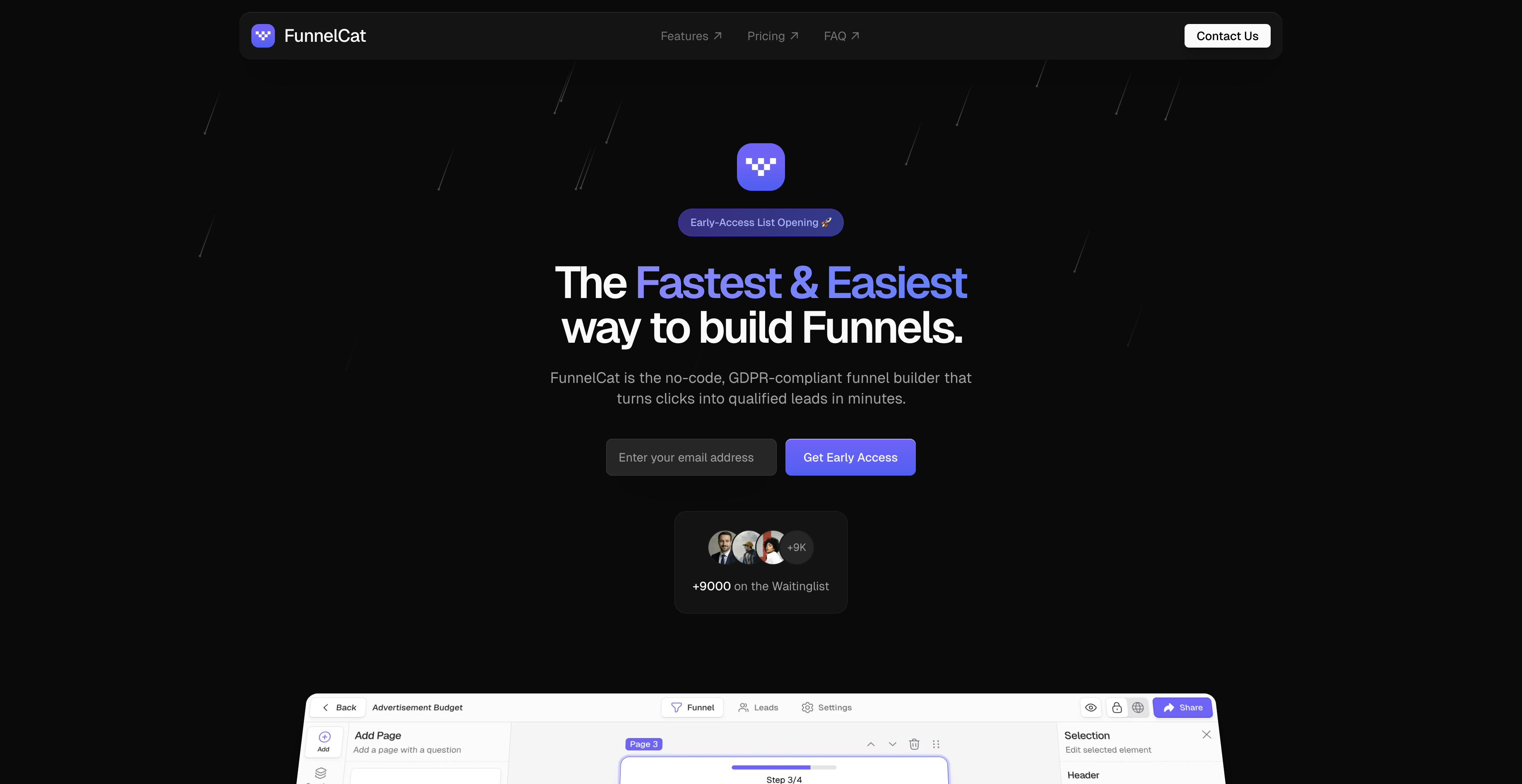
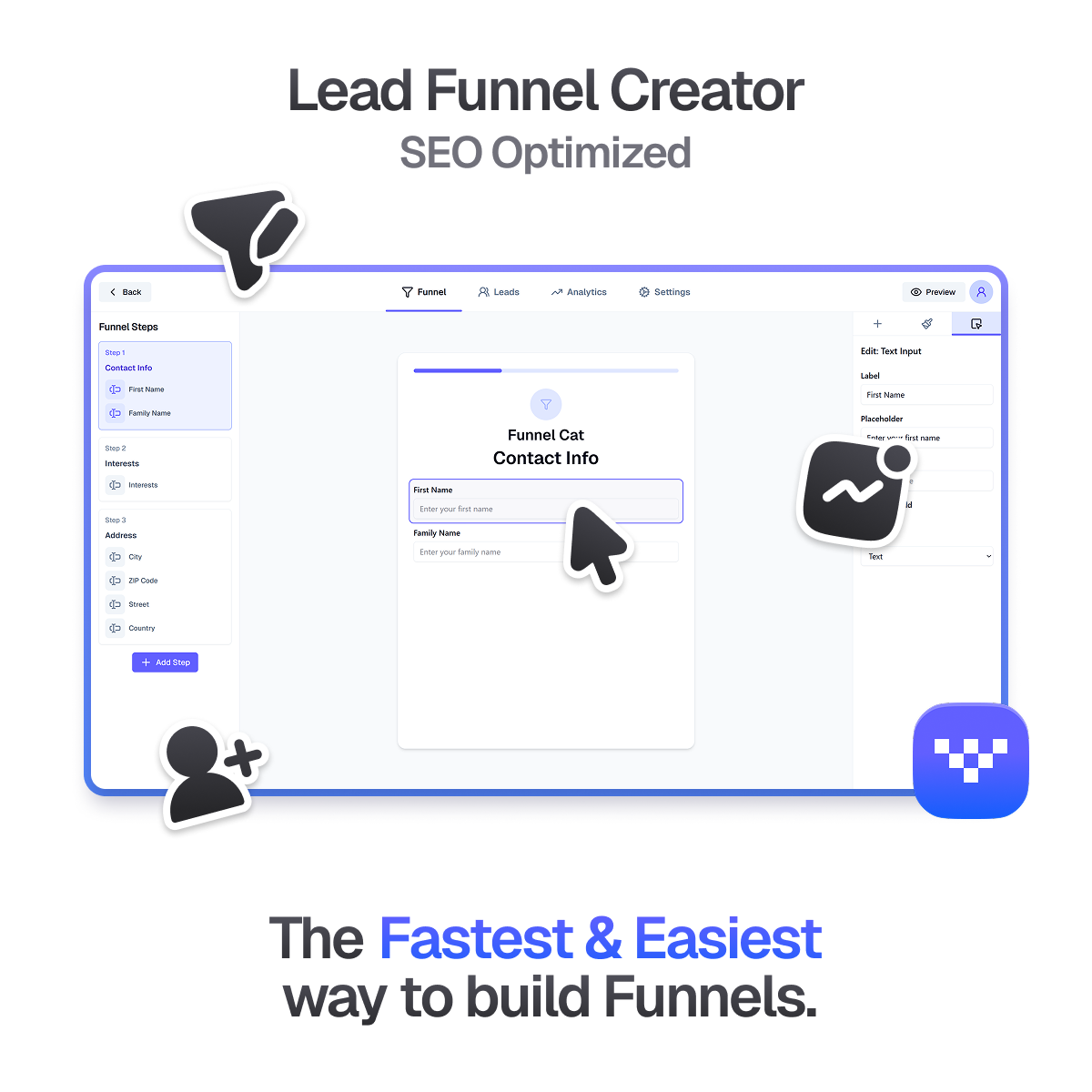
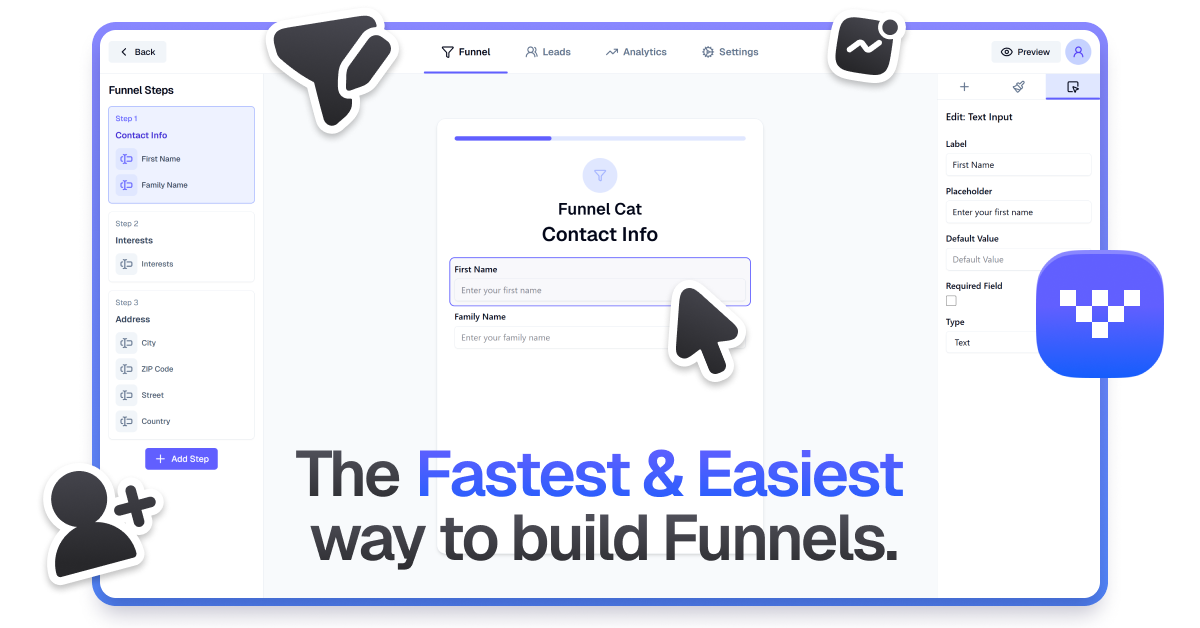
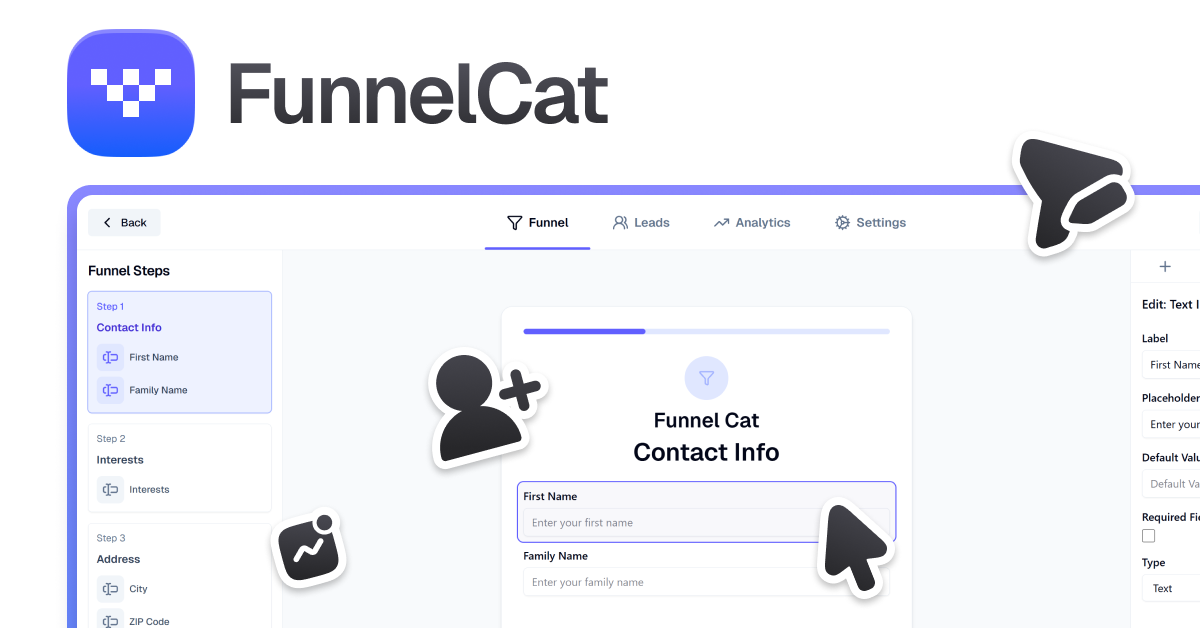
To validate the idea, I built a small landing page at funnel.cat with details on the features and projected pricing. It was half vibe-coded, no point spending weeks on something that hasn't been validated yet. I included some Figma mockups to give interested visitors a sense of what the experience could look like.
Email collection
Interested visitors can enter their email, which gets stored in a Convex database. Basic validity checks are applied on submission.
Pricing
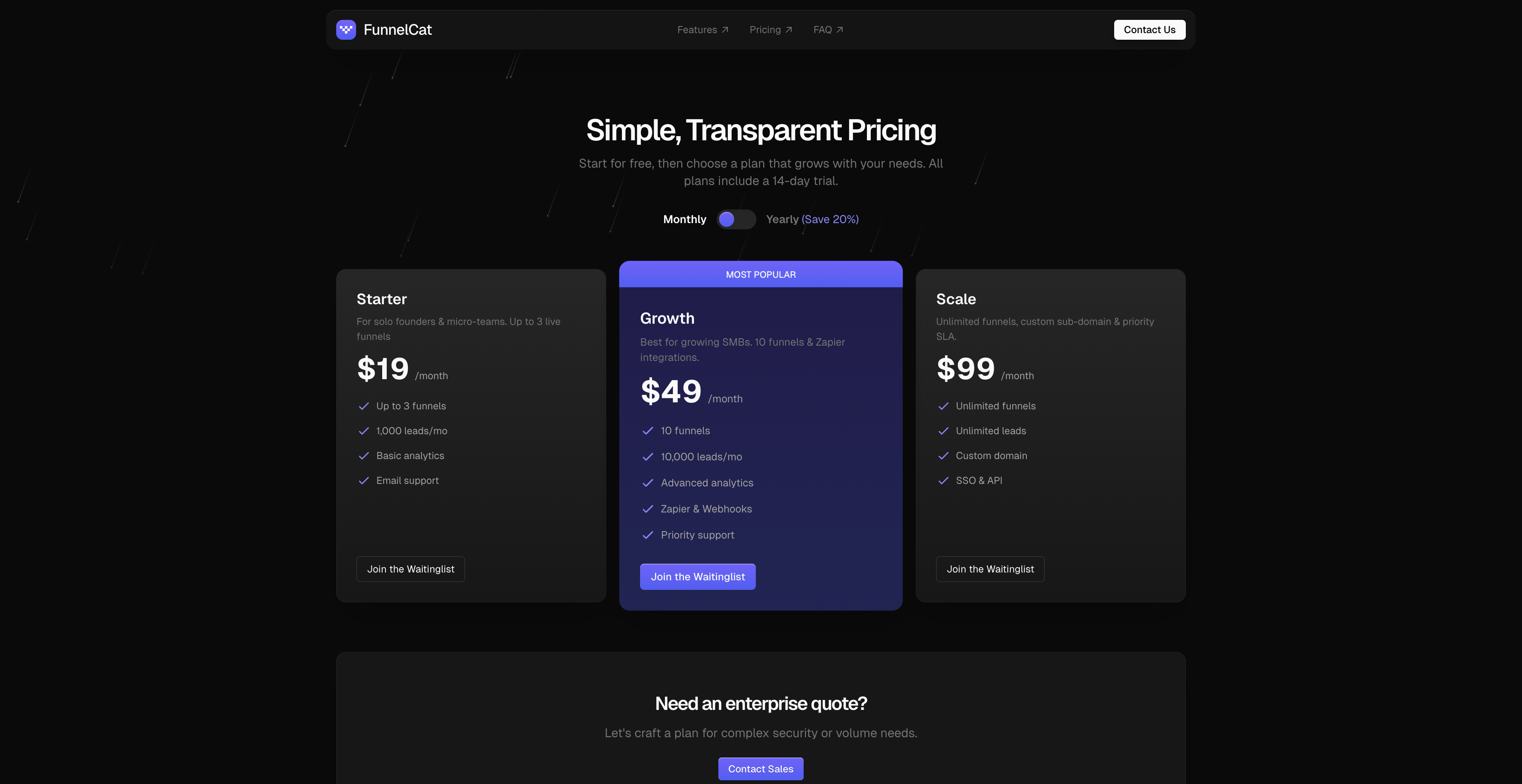
The landing page also shows pricing, but these aren't final numbers. They're test prices modelled on what competing tools charge, designed to gauge whether visitors see the value and are willing to spend. Both monthly and yearly options are shown, since the toggle itself signals buying intent. The actual launch pricing will be informed by what this data tells me.
The results
Over 4–5 months I've collected more than 11,000 email signups by running a small €10/month Google Ads campaign, alongside sample mockups and example use cases on the landing page.
What the response told me
The level of interest is definitely higher than I expected, a clear signal to get a beta out as fast as possible and find out whether people will actually pay.
Choosing the stack
03I chose the stack I could move fastest with. I'm highly productive in it, and AI tooling handles it well too.
Design iterations
04Starting point
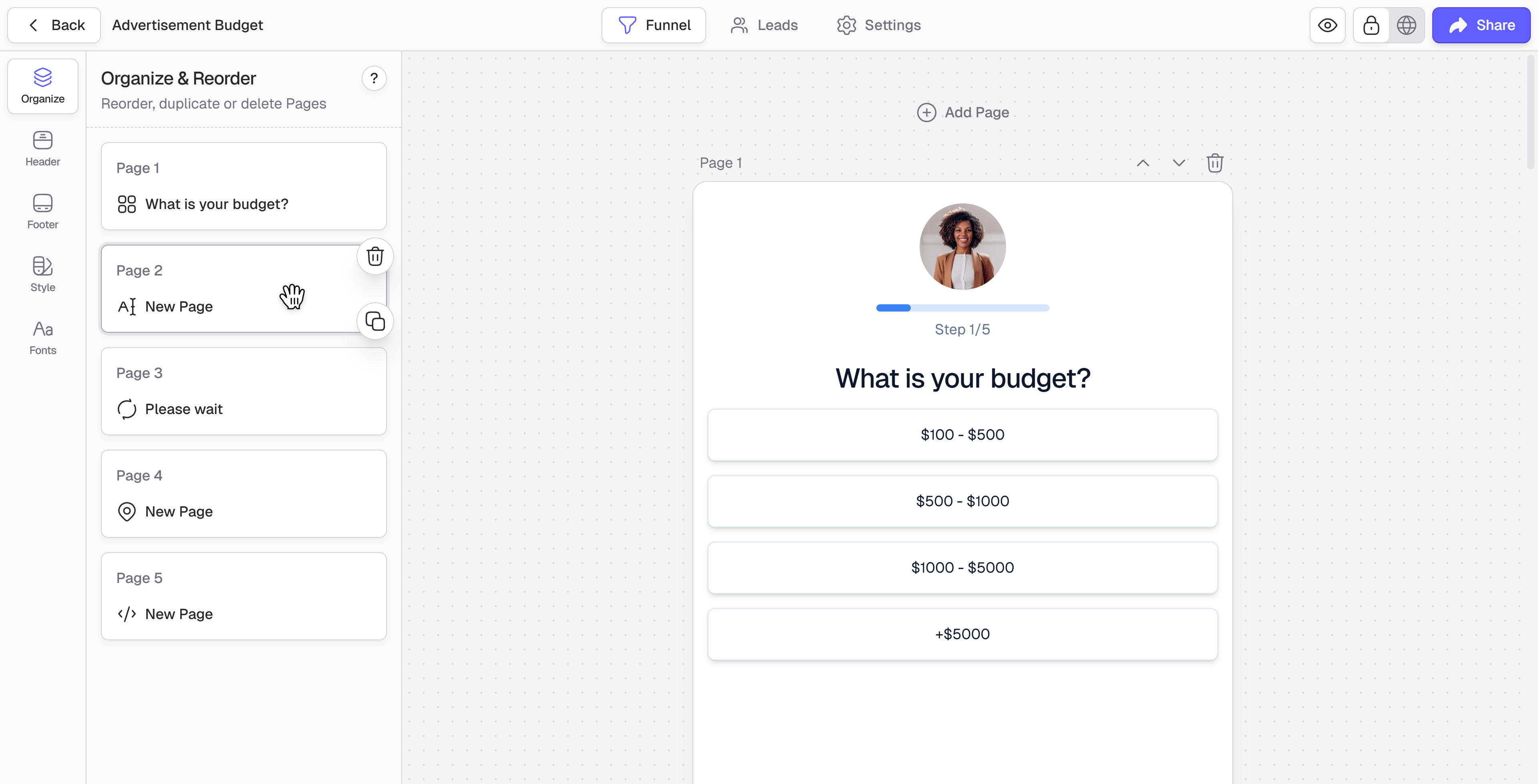
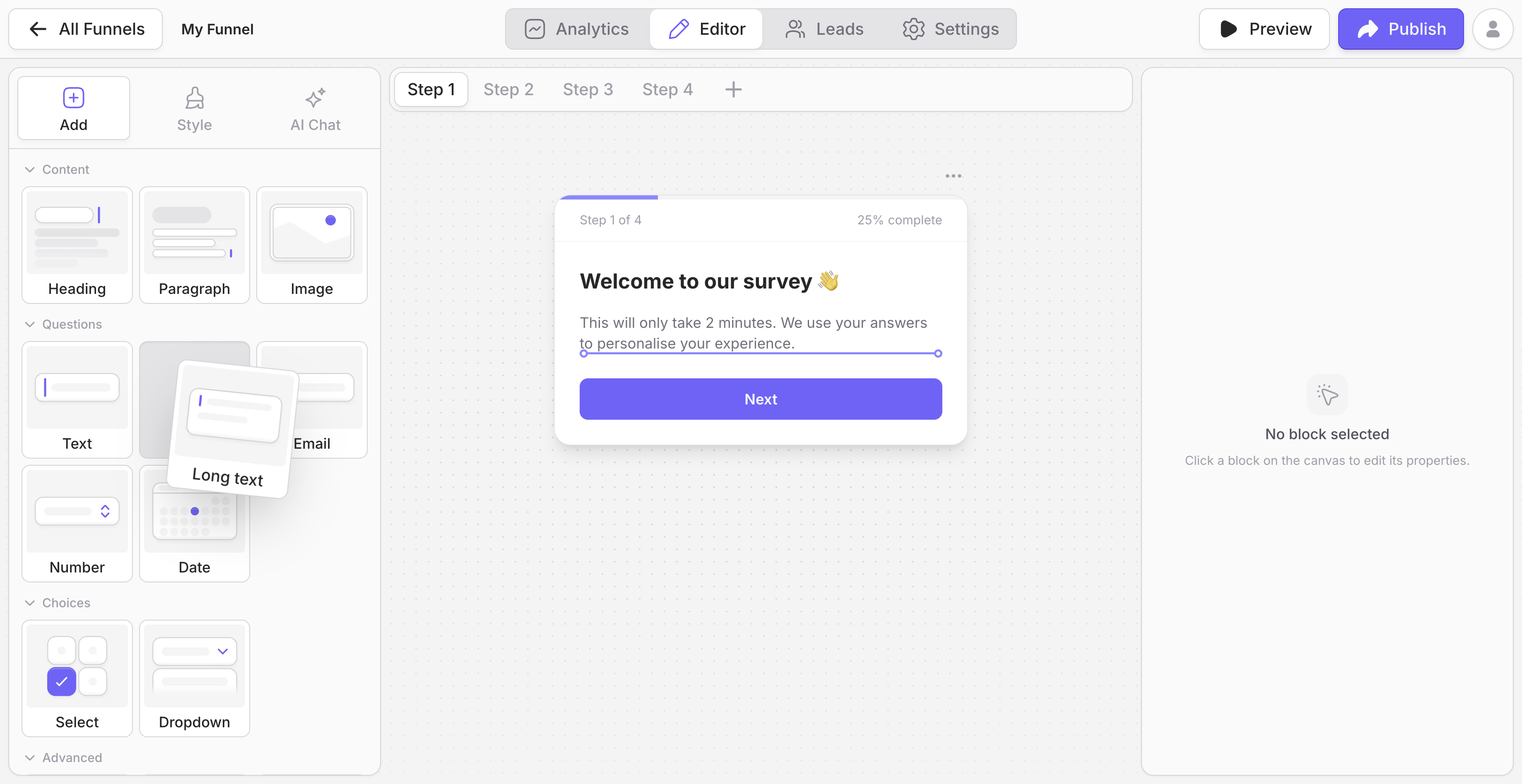
The editor is the heart of the product, if it isn't good, nothing else matters. It had to be drag-and-drop and immediately intuitive, so I studied existing tools, identified what frustrated me about them, and designed alternatives in Figma before writing a single line of editor code.
Scope and priorities
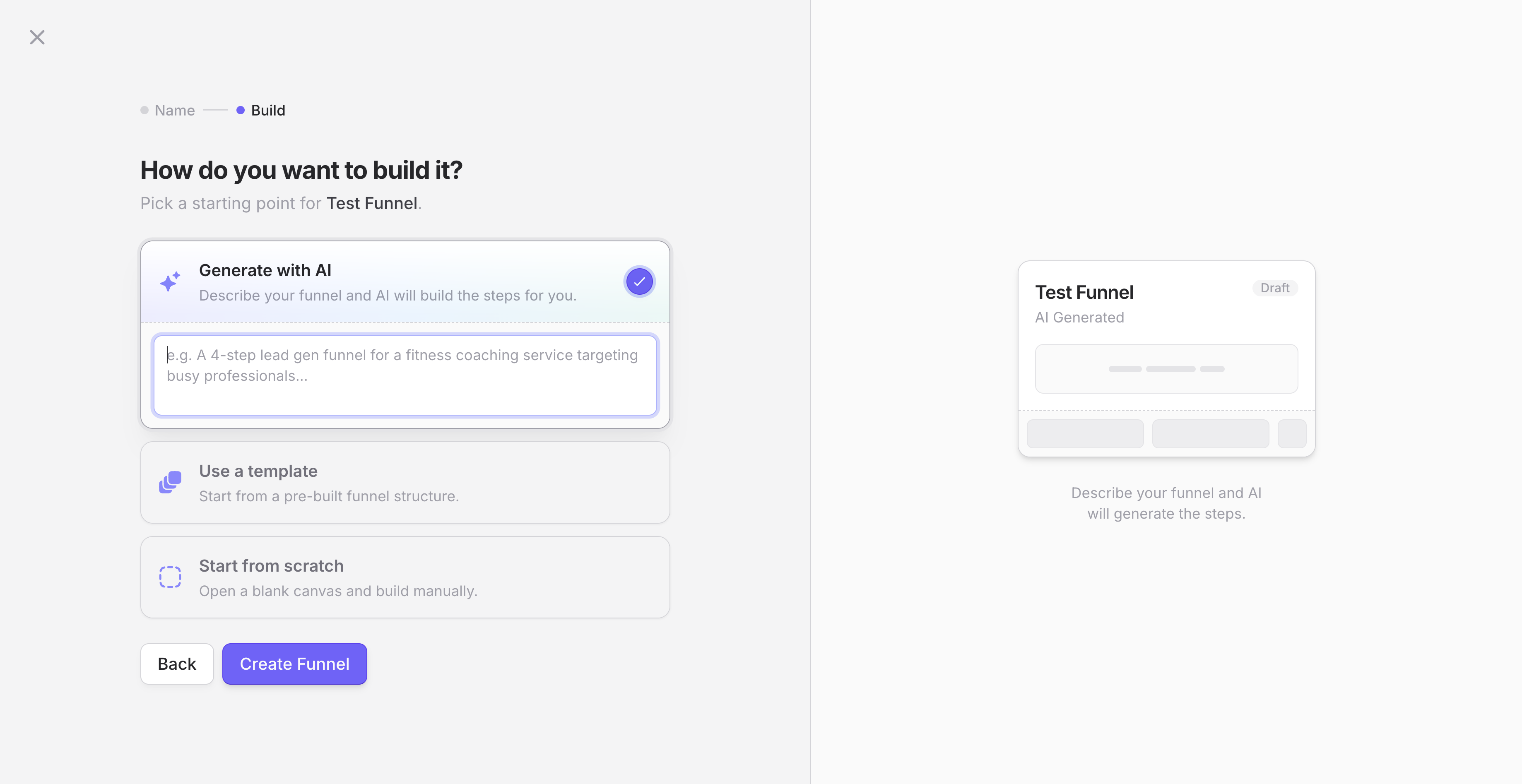
The five core parts are: the editor, the public viewer, analytics, lead management (tables and API exports), and AI assistance. I wanted AI to be a first-class feature, not a bolt-on. Users can describe a funnel in plain language, have it generated instantly, and then use a chat interface to refine it or get suggestions on improving conversion rates.
How I'm developing it
05How I structure my work
I started with throwaway MVPs to figure out what worked before committing to the real architecture. Now I work in sprints with a Kanban board to stay focused. Once the product reaches beta, I'll add proper pipelines for feature requests and bug reports.
The hardest parts
Surprisingly, the most challenging part wasn't the database or auth, Convex and Clerk abstract most of that complexity away. The real difficulty was the drag-and-drop experience. Getting it to feel natural and behave exactly as users expect is genuinely hard. Since it's central to what makes FunnelCat different, I've given it the most time and attention.
What's left
The remaining work is connecting the leads pipeline and external API integrations, then hardening everything for real users.
What's next
06Beta launch
Once the leads and API work is complete, I'll open a private beta to the waitlist. With over 11,000 signups already, there's a meaningful pool of real users ready to test, and more importantly, to tell me whether they'll pay. That's the only signal that matters at this stage.
Go-to-market
The launch plan is to hit Product Hunt, post to relevant subreddits, and send a campaign to the full email waitlist. With 11,000+ signups already warmed up, the email list alone should drive a strong initial spike, the goal is to convert as many of them as possible into beta users on day one.
Monetisation
The plan is a simple subscription model, a free tier with limits and paid plans for higher traffic, more funnels, and API access. Pricing will be positioned well below the incumbents, which was the original premise. For payments, I'm deciding between using Clerk's built-in subscription features or integrating Stripe directly.
What building this has taught me
Validate before you build. The landing page took a weekend; the 11,000 signups took a few months of a small ad spend. That feedback loop cost almost nothing and completely justified the decision to build the full product. I'd do that part first on every project going forward.